GOT MOLD ?
Don't Take Chances! Call the Top Mold
Remediation Company in Kirkland and get cleaned up FAST!



Why Choose Us?
- Certified Pros
- Available 24/7/365
- Rapid Response
- Fully Licensed And Insured
- We Work With Your Insurance Company
Call Now (425) 270-4050
Kirkland Mold Remediation Services
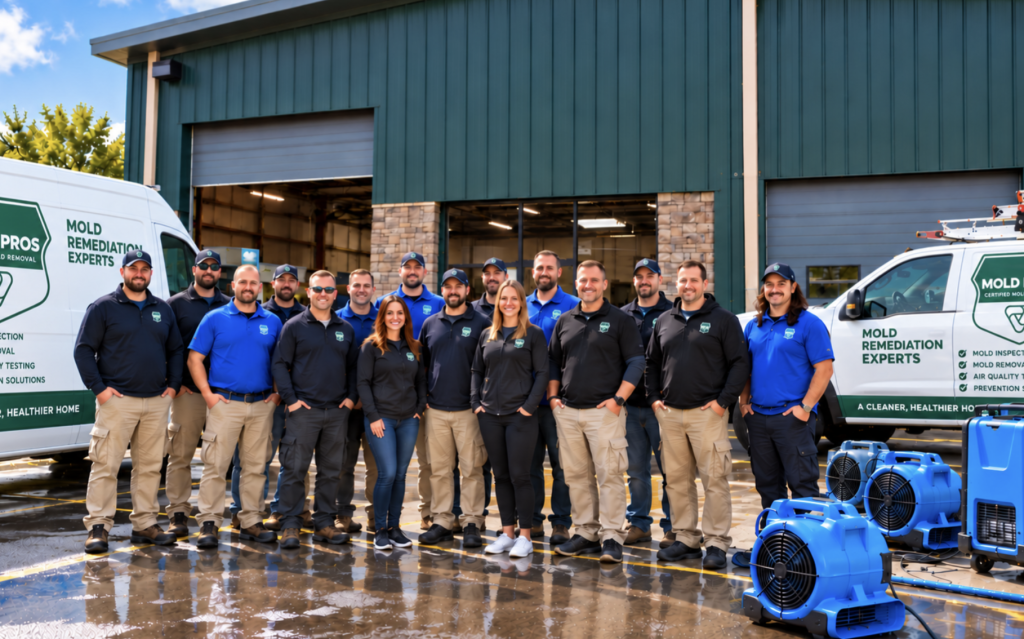
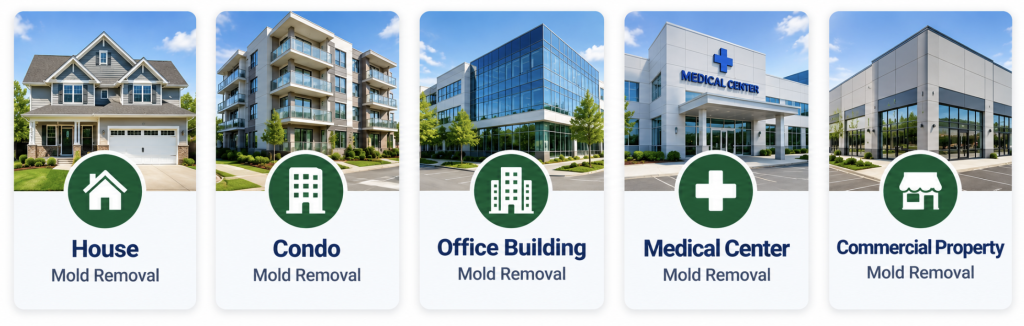
Mold concerns often begin with a damp smell, a ceiling stain, or moisture that keeps returning. Kirkland Mold Remediation Pros helps home and business owners address the affected area and the moisture source behind it. We serve properties across Kirkland, King County, and nearby Eastside communities. Our work is suited to homes, apartments, condos, offices, schools, churches, medical facilities, and retail buildings. We focus on careful mold cleanup, affected-material removal, drying, and steps that help limit a repeat problem.
Why Kirkland properties often need mold remediation
- Seasonal rain and runoff: Kirkland receives about 38.6 inches of average annual precipitation, with wetter fall, winter, and spring conditions. Overflowing gutters, short downspouts, and runoff from paved surfaces can move water toward walls and foundations.
- Crawl space moisture: Exposed soil, poor drainage, missing vapor barriers, and limited airflow can keep joists and subfloors damp. This matters in homes with enclosed crawl spaces that are difficult to inspect from living areas.
- Roof, window, and exterior leaks: Failed flashing, worn seals, damaged roofing, or weak caulking can send water into attics and wall cavities. Small leaks often stay hidden until staining, odor, or damaged materials appear.
- Poor bathroom ventilation: Showers add moisture to walls and ceilings when an exhaust fan is missing, undersized, or not used. Persistent indoor humidity also affects kitchens, laundry areas, and other rooms with limited airflow.
What kind of mold cleanup help do we provide?
We provide mold remediation for visible growth, hidden moisture damage, and affected building materials. Our work may include containment, HEPA filtration, removal of damaged porous materials, surface cleaning, and drying. Containment uses plastic barriers to help keep mold dust from spreading into clean areas. A HEPA air scrubber filters fine particles from the work-area air while cleanup takes place. We keep the service focused on the affected space rather than treating every room as contaminated.
The moisture source still needs attention for cleanup to last. That source might be a plumbing leak, roof problem, appliance leak, condensation issue, or drainage condition. We can explain which materials appear affected and which repairs fall outside mold cleanup, such as major roofing, plumbing, or structural reconstruction. For a fuller explanation of containment, cleanup, timing, and reconstruction boundaries, visit our mold removal service page. If you are still sorting out warning signs or identification questions, our mold warning signs guide offers practical information.
How Kirkland building conditions affect moisture problems
Kirkland properties face more moisture pressure during the wet season than during the comparatively dry summer. Heavy rainfall or an overloaded drainage system is the city’s most likely local flooding mechanism. Water conditions also vary across places near Juanita Creek, Forbes Creek, Yarrow Creek wetlands, Lake Washington, and other drainage areas. That does not mean every nearby property has a flood problem, but it does make runoff, grading, gutters, and below-grade moisture useful things to check.
Building design changes the way moisture appears. A crawl space may hold dampness beneath a home, while a basement may show wall staining or a musty odor. In apartments, condos, offices, and mixed-use buildings, leaks can affect more than one room or unit. Attics, utility areas, laundry rooms, exterior walls, and enclosed cabinets also deserve attention when moisture has been present. We use the building layout and visible conditions to keep the cleanup scope connected to the actual problem.
Where we serve and what you can expect from us
Our primary service area is Kirkland, including Juanita, Kingsgate, Finn Hill, and Totem Lake. We also serve nearby Bellevue, Redmond, Bothell, Kenmore, and Woodinville. Local water and sewer service boundaries differ across Kirkland, so drainage or utility questions may involve the City of Kirkland, Northshore Utility District, or Woodinville Water District. For stormwater, runoff, creek, or flooding concerns, the City of Kirkland Storm & Surface Water Division is a useful local resource.
We are IICRC certified, and our company is BBB registered. Those credentials give you facts to consider while you compare remediation providers. Washington guidance also recommends checking contractor registration, insurance, credentials, and complaint history before hiring a contractor. You can review state contractor information through the Washington Department of Labor & Industries before work begins. We will explain the visible conditions, the affected materials, and the work that is included in the proposed scope.
If you find active water, stop the source if it is safe and shut off the nearby supply when appropriate. Move belongings away from the wet area, but avoid disturbing suspected mold or removing large sections of material yourself. Call (425) 270-4050 to speak with Kirkland Mold Remediation Pros about what you found. We will ask about the location, moisture source, affected materials, and any immediate access concerns before discussing what should happen next.
Frequently Asked Questions
Can mold grow without a major water leak?
Yes, mold can develop when indoor humidity stays high for long periods. Condensation on windows, ducts, exterior walls, or uninsulated pipes can add moisture without a visible plumbing failure. Bathroom, kitchen, laundry, attic, and crawl space ventilation all affect how quickly damp materials dry. Look for recurring condensation, musty odors, peeling paint, or staining around cold surfaces.
Does a musty smell always mean there is visible mold?
No, a musty smell does not always identify the location or cause of a problem. Odors can come from damp drywall, carpet, insulation, wood, crawl space materials, or hidden wall cavities. Search for moisture near plumbing, windows, roofs, exterior walls, and below-grade areas. Avoid covering the odor with paint or fragrance because that does not correct the moisture condition.
Is mold cleanup needed in a commercial building?
Commercial buildings can need mold cleanup in offices, schools, churches, medical facilities, retail spaces, and industrial properties. A leak above a ceiling, a damp mechanical area, or a failed HVAC component can affect occupied rooms and stored materials. Building managers should document the affected area and limit access if disturbing materials would spread dust. The work plan should also account for occupants, shared ventilation, business operations, and access to the affected space.
What should I do if mold returns after cleaning?
Returning growth usually means moisture remains or affected materials were not fully addressed. Check for leaks, condensation, poor ventilation, wet crawl space conditions, and water entering from outside. Do not paint over the area or rely on household fragrance to hide the odor. A professional assessment can help connect the visible growth with the building condition that is keeping the area damp.