Black Mold?
Don't Take Chances! Call the Top Black
Removal Company in Kirkland and get cleaned up FAST!



Why Choose Us?
- Certified Pros
- Available 24/7/365
- Rapid Response
- Fully Licensed And Insured
- We Work With Your Insurance Company
Call Now (425) 270-4050
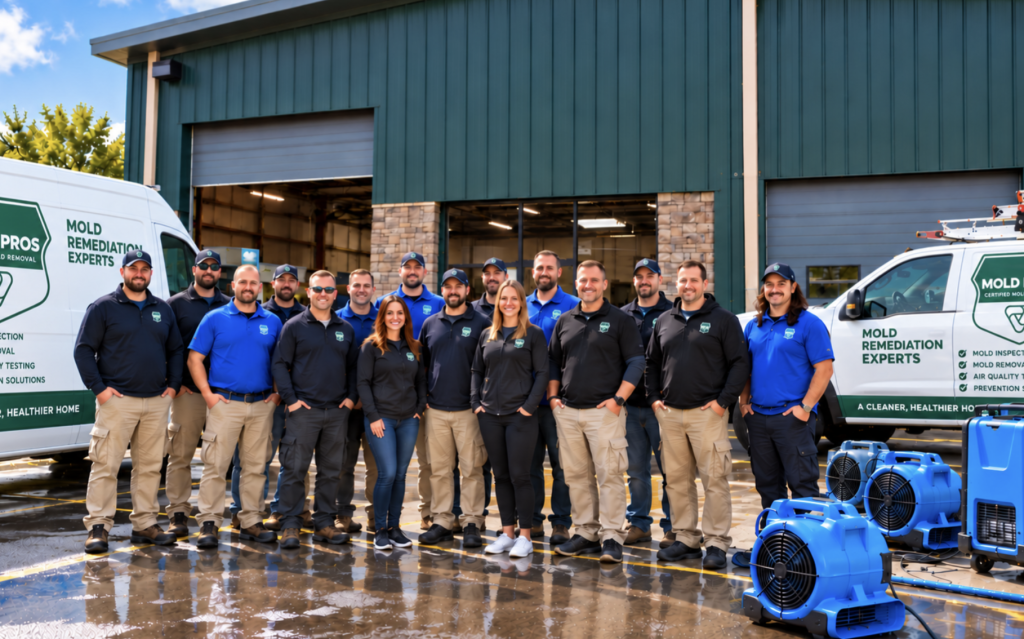
Professional Mold Removal in Kirkland, Washington
Mold removal starts with finding and controlling the moisture that allowed growth to begin. We protect unaffected areas, remove damaged porous materials when needed, and clean surfaces that can be safely restored. Our work is designed for homes, apartments, offices, and other buildings in Kirkland, WA. If you are unsure what you found, our mold warning signs guide explains what to check before work begins.
What Happens During Mold Removal?
We begin by reviewing the affected areas, visible damage, moisture conditions, and building materials involved. The work plan must address the water source, because cleaning without moisture control leaves the problem open to return. We use containment, which means plastic walls or barriers that help keep mold dust from spreading. We also use personal protective equipment and HEPA air filtration when the work area requires added dust control.
Porous materials often require more care than hard, nonporous surfaces. Drywall, insulation, carpet, and some subflooring can absorb moisture beyond the visible surface. Affected sections might need careful removal when they cannot be reliably cleaned and dried. Concrete, tile, metal, and sealed wood often allow surface cleaning when the material remains sound and accessible.
Attics and crawl spaces bring different challenges because they can have limited access and poor airflow. A damp crawl space might involve exposed soil, missing vapor protection, drainage problems, or wet floor framing. An attic might have roof leaks, damp sheathing, or bathroom and dryer vents releasing moisture into the space. We protect nearby areas while addressing the affected materials and the conditions that keep them damp.
How Kirkland Moisture Conditions Shape the Work
Kirkland has wet fall, winter, and spring seasons, with about 38.6 inches of average annual precipitation. Rain can enter through roofs, gutters, windows, doors, exterior walls, and below-grade areas. Heavy rainfall can also overload drainage systems near creeks, wetlands, and low-lying property areas. These conditions make source control especially important during mold remediation.
Properties near Juanita Creek, Forbes Creek, Yarrow Creek wetlands, or Lake Washington can have drainage concerns that differ from an interior building issue. Runoff from roofs, roads, and driveways can place extra water near foundations and crawl spaces. The City of Kirkland Storm & Surface Water Division provides local drainage and runoff information for property owners. If a project involves drainage, sensitive areas, plumbing, or structural work, the city’s permitting guidance can help identify questions for the proper authority.
What’s Included
- Review of visible mold, moisture conditions, affected materials, and work-area access.
- Containment, HEPA air filtration, careful removal of affected porous materials, and cleaning of suitable hard surfaces.
- Moisture-source control guidance so leaks, condensation, ventilation problems, or drainage concerns do not remain unaddressed.
Cleanup and removal are related but not identical services. Cleanup focuses on removing mold from materials that can be safely restored, while removal involves taking out materials that are too damaged, porous, or contaminated to clean reliably. We avoid treating every material the same because drywall, carpet, insulation, framing, tile, and concrete respond differently to moisture. The final scope should match the material condition, affected area, access, and source of water.
What’s Not Included
- Automatic reconstruction of drywall, flooring, cabinets, roofing, plumbing, framing, or exterior drainage systems.
- Independent mold testing or species identification.
- Unrelated repairs outside the affected work area and moisture-control needs.
A mold-remediation scope should not be treated as a reconstruction contract. Removal can expose damaged framing, subflooring, insulation, or other building components that need a separate repair decision. We do not diagnose mold species from color, and what people commonly call black mold cannot be identified by appearance alone. If reconstruction, plumbing, roofing, or drainage work is needed, confirm which licensed trade or permit requirements apply before that work begins.
How Material and Building Type Affect the Scope
Drywall and insulation are porous, so water can move behind the visible area and leave hidden damage. Carpet and padding can hold moisture beneath the surface, especially after a leak or flood. Framing and subflooring require close attention because they support the building and might remain damp after surface materials are removed. Tile and concrete are less absorbent, but grout, cracks, seams, and adjacent materials still need review.
Residential projects often center on bathrooms, kitchens, laundry areas, bedrooms, attics, basements, and crawl spaces. Apartments and condominiums may require added care around shared walls, neighboring units, common utility areas, and building management rules. Offices, schools, medical facilities, retail spaces, churches, and industrial properties often need work planned around occupants, equipment, and business operations. We keep the work area focused so unaffected portions of the property remain separated from the remediation zone.
What Affects Mold Removal Cost?
Actual mold remediation costs vary based on affected materials, work-area size, containment needs, access, and the moisture source. A small visible spot on a cleanable surface is different from mold inside drywall, insulation, carpet, framing, or a crawl space. Hidden areas, sewage contamination, extensive water intrusion, and difficult access can increase labor and containment needs. An inspection is needed before a final scope and price can be provided.
Work-area size also matters because a larger area needs more preparation, protection, removal, cleaning, and air control. Source correction can involve a roof, gutter, plumbing line, appliance, ventilation system, foundation area, or drainage condition. The mold color does not determine the price or identify a species. The materials affected and the work needed to restore safe, dry conditions matter more than appearance.
Can Occupants Stay During the Work?
Occupancy depends on the work area, containment design, building use, material disturbance, and whether occupants can remain separated from the project. Small, isolated work areas are different from large projects involving shared air pathways or extensive removal. People with respiratory concerns should ask their doctor about personal precautions before entering an active work area. Pets, children, and anyone sensitive to dust should stay away from the contained space during active work.
Before work begins, move personal items away from the affected area only if they can be moved without spreading dust or disturbing materials. Do not run fans across visible mold, cut into walls, or remove contaminated carpet without a plan. Do not paint over mold because the coating does not correct the moisture source or remove growth beneath the surface. Shut off or isolate an active water source when it is safe to do so, then keep people away from wet or damaged areas.
Credentials and Local Resources
Our company is IICRC certified, and we are in good standing with the BBB. These credentials are part of how we present our company to property owners seeking mold remediation. Washington does not require a specific mold-remediation certification, so consumers should also review contractor registration, bonding, insurance, and complaint information. The Washington State Department of Labor & Industries provides a public contractor verification tool for that review.
Local moisture questions sometimes involve more than the building itself. The City of Kirkland provides flood and stormwater information, while Public Health – Seattle & King County offers guidance about moisture, cleanup, tenants, and indoor air. Utility service boundaries can differ across Kirkland, including areas served by the City, Northshore Utility District, or Woodinville Water District. These resources do not replace a building assessment, but they can help direct drainage, flood, health, and utility questions.
Call (425) 270-4050 to discuss what you found and the areas affected. We will listen to the moisture history, ask about materials and access, and explain what information helps define the first visit. Please mention active leaks, sewage, flooding, crawl-space access, or shared-building concerns when you call. If water is still entering the property, stop the source when safe and keep people away from the affected area.
Frequently Asked Questions
Does black mold require a different removal process?
Color alone does not identify a mold species or determine the proper cleanup method. What people commonly call black mold can describe several appearances and materials. The work focuses on moisture control, containment, safe material handling, and cleaning or removal based on the affected surface. Independent testing can be useful when the extent or type of a problem needs separate documentation.
Will mold return after the affected materials are removed?
Mold is less likely to return when the moisture source is corrected and materials are kept dry. Leaks, condensation, poor ventilation, crawl-space moisture, and drainage problems all need attention. Removing visible material without correcting the source leaves the building vulnerable to renewed growth. Watch for damp odors, staining, condensation, or recurring discoloration after the work area is restored.
Should I clean a small mold area myself?
Small surface areas on suitable hard materials are often easier to address than hidden or widespread contamination. Stop and seek professional help when the area is larger than about 10 square feet, hidden inside assemblies, sewage-contaminated, or connected to building structure. Avoid disturbing drywall, insulation, carpet padding, or other porous materials without knowing how dust will be contained. People with health concerns should ask a medical professional about personal risks before cleaning.
What should I do if the mold is in a rental property?
Document the visible condition, moisture source, affected room, and date you noticed the problem. Notify the landlord or property manager promptly and keep copies of your communication. Do not open walls or remove fixed materials before the responsible parties understand the condition. Public Health – Seattle & King County provides general mold and tenant guidance, but it does not perform mold assessments.